Garage Door Repair Parker has been my trade for more than ten years, and most of what I fix never starts as a full breakdown. I’m a licensed garage door technician, and in my experience, doors in this area usually fail slowly and quietly before they stop working altogether. Homeowners often call only after the door refuses to open, but the warning signs were usually there weeks or months earlier.
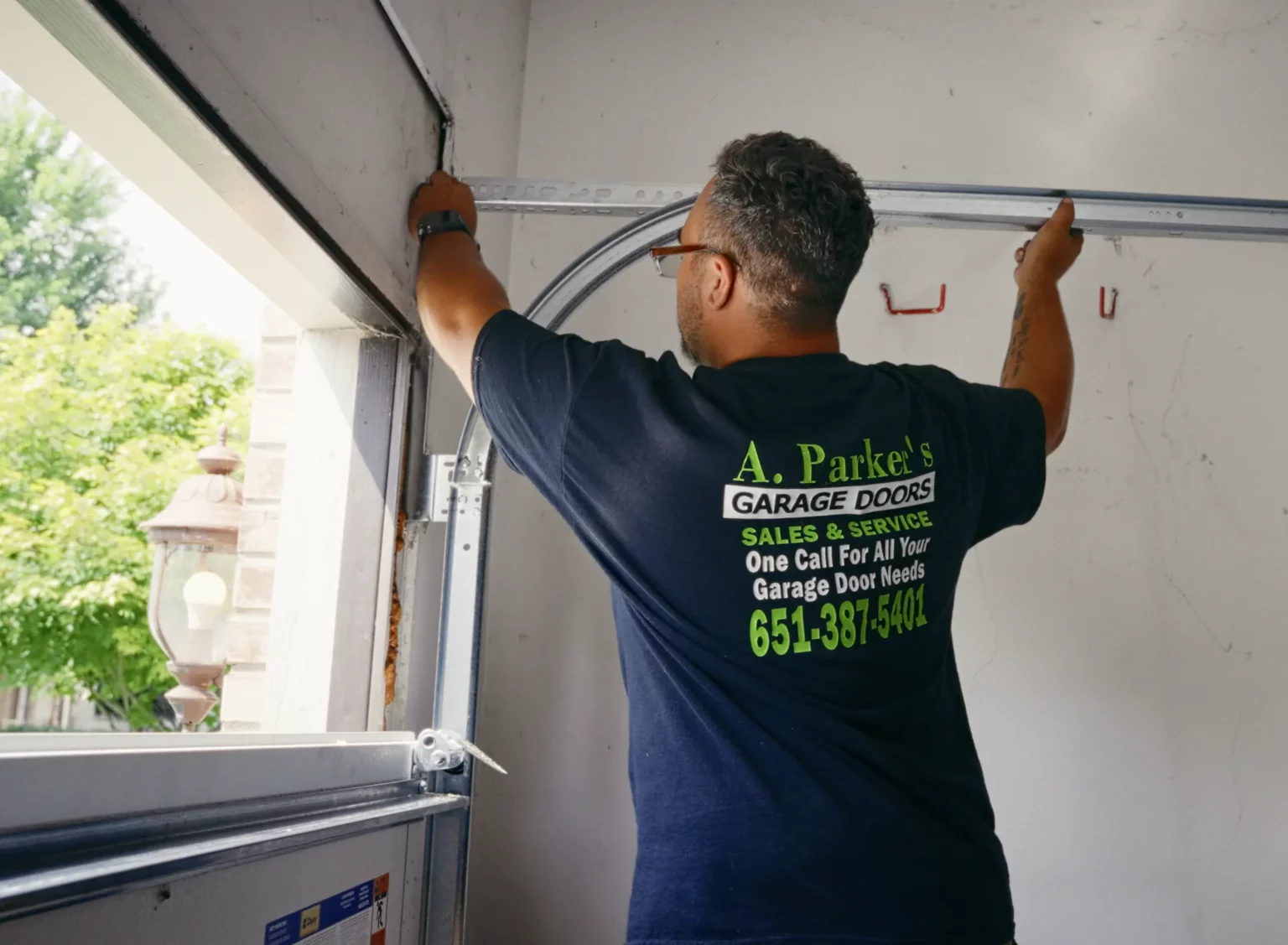 I remember a call from a homeowner last summer who said his garage door had started “hesitating.” It would open fine in the morning but struggle in the evening. Another company had suggested replacing the opener because it was a few years old. When I disengaged the motor and lifted the door by hand, it felt heavier on one side. The issue wasn’t the opener at all—it was uneven spring tension combined with a cable that had stretched slightly. Once the springs were balanced and the cable reset properly, the door moved smoothly again. The opener never needed more than a minor limit adjustment.
One thing Parker homeowners don’t always account for is how much dust and temperature fluctuation affect moving parts. I’ve serviced doors that were mechanically sound but noisy and erratic simply because the rollers and hinges had been running dry for years. A customer last fall thought his door was about to collapse because of a loud popping noise. The panels were fine. The track was straight. The noise came from worn steel rollers reacting to cold mornings. Replacing them with nylon rollers and servicing the hinges changed how the door sounded and moved almost immediately.
A mistake I see repeatedly is assuming a crooked door means a bent track. Tracks do get damaged, but more often the real problem is a cable starting to fail. Cables rarely snap without warning. They fray, rust, or lose tension little by little. I once worked on a door that had been lifting unevenly for months. The homeowner kept forcing it open with the opener, which eventually twisted the top panel. Fixing the cable early would have been simple. Waiting turned it into a panel reinforcement job.
I’m also cautious about recommending full door replacements. Some older doors around Parker are heavier and less stylish, but they’re built from thicker materials and hold up well over time. If the panels are straight and the frame is solid, repairing the hardware usually makes more sense than starting over. That said, I don’t hesitate to advise against keeping outdated openers that struggle to reverse or have unreliable sensors. A door that doesn’t stop when it should is more than an inconvenience.
DIY repairs are another area where good intentions often backfire. I’ve walked into garages where springs were partially wound, set screws barely tightened, or makeshift tools were used in place of proper winding bars. One homeowner told me he stopped mid-repair because the spring made a sound that “didn’t feel right.” He made the right call. The spring tension was uneven, and continuing would have risked serious injury. Some parts of a garage door system don’t leave room for trial and error.
After years of handling Garage Door Repair Parker jobs, I’ve learned to trust the small signs: changes in sound, slower movement, or a door that won’t stay put when lifted halfway. Those details usually point to mechanical issues long before anything breaks outright. Addressing them early keeps repairs straightforward and garage doors doing what they’re meant to do—open and close reliably, without drama.