I’ve worked in urology for more than ten years, and conversations about hormones are rarely straightforward. Men don’t usually walk into my clinic asking abstract questions—they come in tired, frustrated, and unsure why they don’t feel like themselves anymore. Over time, I’ve seen that for many of them, a natural testosterone boost is not only possible, but preferable, at least as a first step before considering medical therapy.
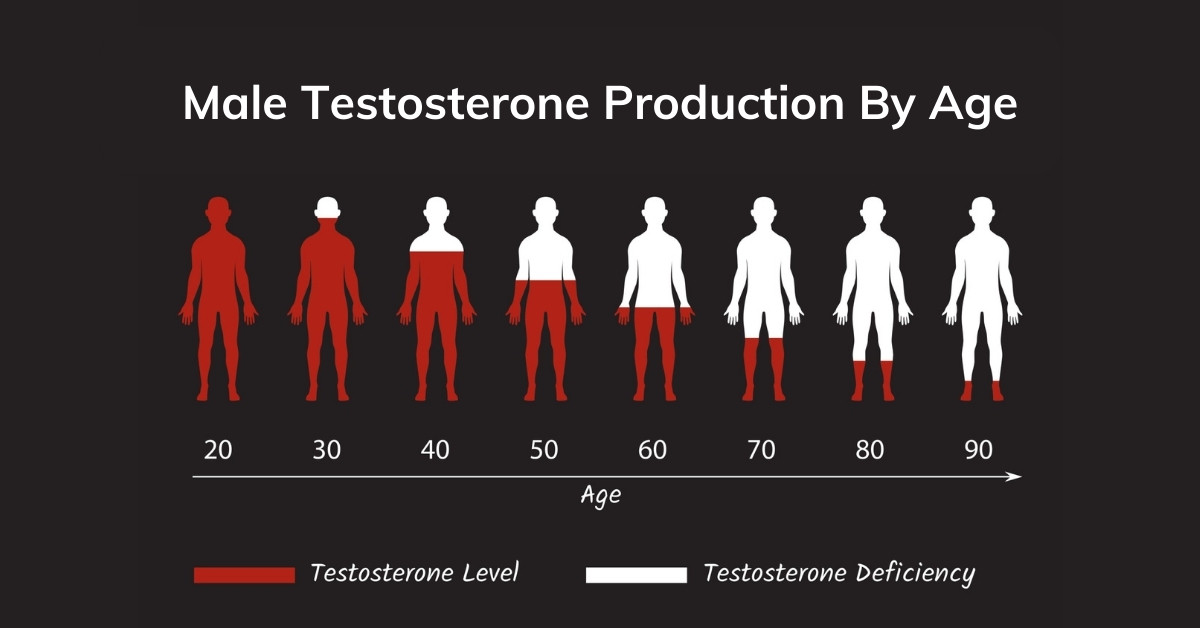
One of the earliest cases that shaped my approach involved a patient in his early forties who was convinced his testosterone had “fallen off a cliff.” His levels were lower than average, but not severely so. What stood out was his routine: five hours of sleep most nights, intense workouts six days a week, and long stretches of under-eating because he was trying to stay lean. We didn’t start with medication. We focused on recovery. Within a few months, his energy improved and his labs followed, modestly but meaningfully. That experience reinforced something I’ve seen repeatedly since—testosterone often responds when the body stops feeling under constant strain.
The quiet habits that suppress testosterone
In my experience, sleep is the most underestimated factor. Testosterone production peaks during deep sleep, yet many men treat rest as optional. I’ve had patients insist their diet and training were perfect, only to admit they were scrolling on their phones past midnight most nights. When sleep improves, hormones often do too, even without other changes.
Stress is another issue men tend to normalize. I see this frequently in business owners and managers. They’re functional, but perpetually tense. Elevated stress hormones interfere directly with testosterone production. I remember a patient who didn’t change jobs or responsibilities, but simply learned to set firmer boundaries around work hours. His follow-up labs showed improvement, but more importantly, he felt better day to day.
Diet and training: where good intentions go wrong
One mistake I see often is extreme dietary restriction. Testosterone is synthesized from cholesterol, yet many men avoid fats entirely. I’ve watched testosterone stall in patients who were disciplined to a fault. Reintroducing healthy fats—nothing dramatic—was sometimes enough to support better hormone balance.
Exercise is similar. Movement helps, but excessive endurance training or constant high-intensity workouts without recovery can suppress testosterone. I’ve treated men who were shocked to learn their marathon training was contributing to low levels. On the other hand, patients who added sensible resistance training a few times a week often saw gradual improvements.
Alcohol, weight, and realistic expectations
Alcohol rarely gets the attention it deserves in these discussions. Regular drinking, even without binges, suppresses testosterone more than most men expect. I’ve seen levels rise after patients cut back, not eliminated, alcohol.
Body composition also matters. Excess body fat increases the conversion of testosterone into estrogen. I don’t push rapid weight loss; I’ve seen that backfire. Steady, sustainable changes tend to produce better long-term results for hormones and overall health.
Knowing when natural approaches reach their limit
I’m not opposed to testosterone therapy. I prescribe it when it’s appropriate. But I’ve learned to be cautious. Once replacement therapy begins, the body’s own production often declines further. That’s why I encourage men—especially those with borderline levels—to try lifestyle changes first.
Some patients do everything right and still have low testosterone due to age, medical history, or underlying conditions. In those cases, treatment can be life-changing. But even then, men who have already optimized sleep, stress, nutrition, and training tend to respond better and manage expectations more realistically.
After years of practice, I no longer see testosterone as a problem to solve quickly. It’s a signal, shaped by daily habits and long-term patterns. Supporting it naturally isn’t about chasing perfection—it’s about giving the body the conditions it needs to function the way it was designed to.